
Catalysis Research
In-situ catalyst characterization and reaction monitoring with DRIFTS technology for heterogeneous catalysis research.
Catalysis research demands real-time insights into catalyst behavior under actual reaction conditions. Our advanced DRIFTS (Diffuse Reflectance Infrared Fourier Transform Spectroscopy) solutions combine the Specac Praying Mantis accessory with Bruker INVENIO FT-IR spectrometers to provide unparalleled sensitivity and environmental control for studying heterogeneous catalysts, surface chemistry, and reaction mechanisms.
Our Solutions
Praying Mantis DRIFTS with Reaction Chamber
The gold standard for in-situ catalyst characterization, featuring high-temperature reaction chambers and precise environmental control.
- Temperature range: -196°C to 900°C with precise control
- Controlled atmosphere: vacuum to 200 bar pressure capability
- Real-time monitoring of catalyst activation, deactivation, and regeneration
- Gold-coated ellipsoidal mirrors for maximum IR throughput
- Interchangeable reaction chambers for various sample types
- Gas flow control for studying reactions under realistic conditions
- Minimal sample preparation - analyze powders directly
Bruker INVENIO FT-IR Platform
State-of-the-art FT-IR spectrometer optimized for catalysis research with exceptional sensitivity and stability.
- Superior signal-to-noise ratio for detecting surface species
- Fast scanning for time-resolved studies (up to 40 scans/second)
- Wide spectral range: 7,500 to 370 cm⁻¹
- DigiTect™ detector technology for enhanced sensitivity
- Rock Solid™ interferometer for long-term stability
- OPUS software with advanced spectral processing
- Automated data acquisition for kinetic studies
Advanced Catalyst Characterization
Comprehensive analysis of catalyst surfaces, active sites, and reaction intermediates.
- Identify surface hydroxyl groups and acid sites
- Monitor CO, NO, and hydrocarbon adsorption
- Track reaction intermediates and product formation
- Study catalyst poisoning and regeneration mechanisms
- Quantify surface coverage and binding modes
- Investigate metal-support interactions
- Characterize zeolites, metal oxides, and supported catalysts
Operando Spectroscopy
Study catalysts under actual working conditions to understand true reaction mechanisms.
- Simultaneous spectroscopic and catalytic activity measurements
- Correlate spectral changes with reaction performance
- Identify active species vs. spectator species
- Optimize reaction conditions in real-time
- Validate computational models with experimental data
- Accelerate catalyst development cycles
Compliance & Standards
Standard Practice for General Techniques for Qualitative Infrared Analysis
Sample preparation - Dispersive methods for powders
Recommended Products
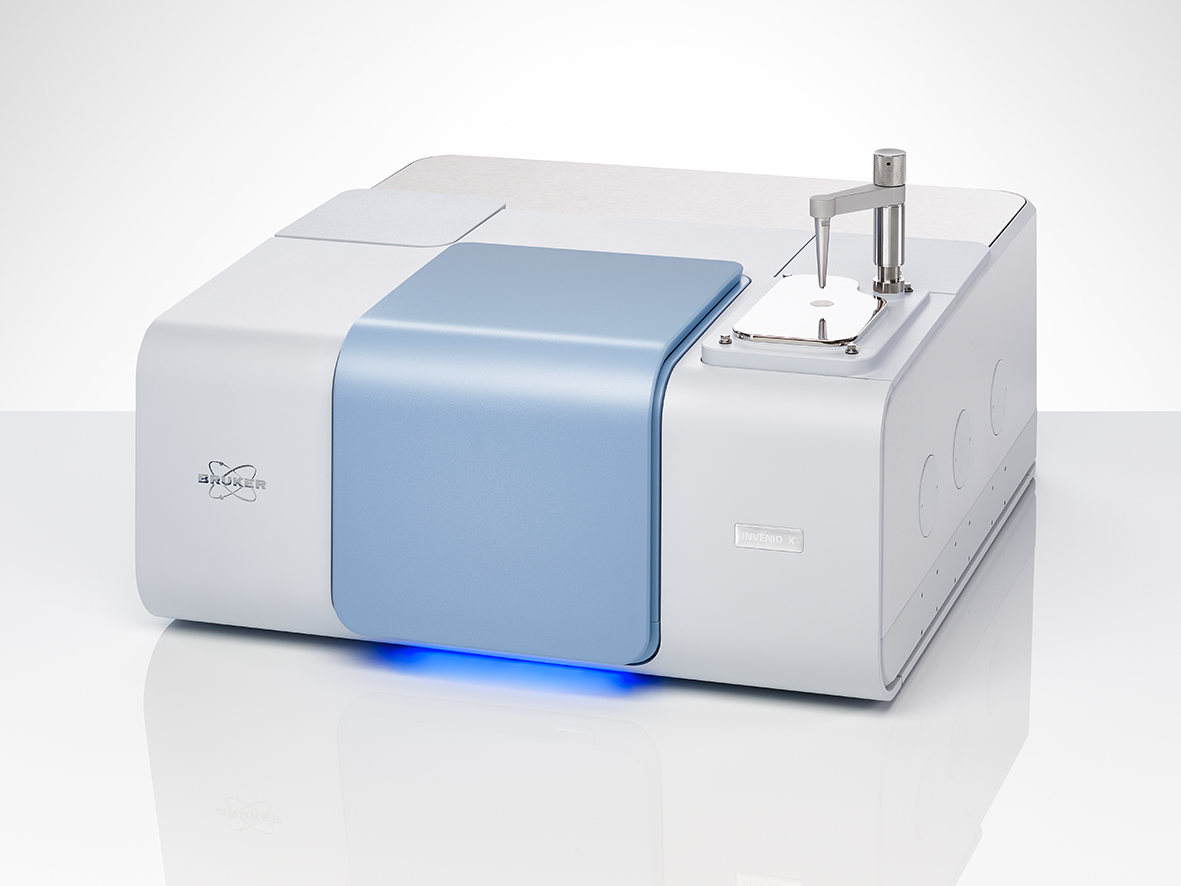
INVENIO FT-IR Spectrometer
The Bruker INVENIO is a modular, research-grade FT-IR platform engineered to adapt from high-throughput routine testing to advanced multi-spectral research.
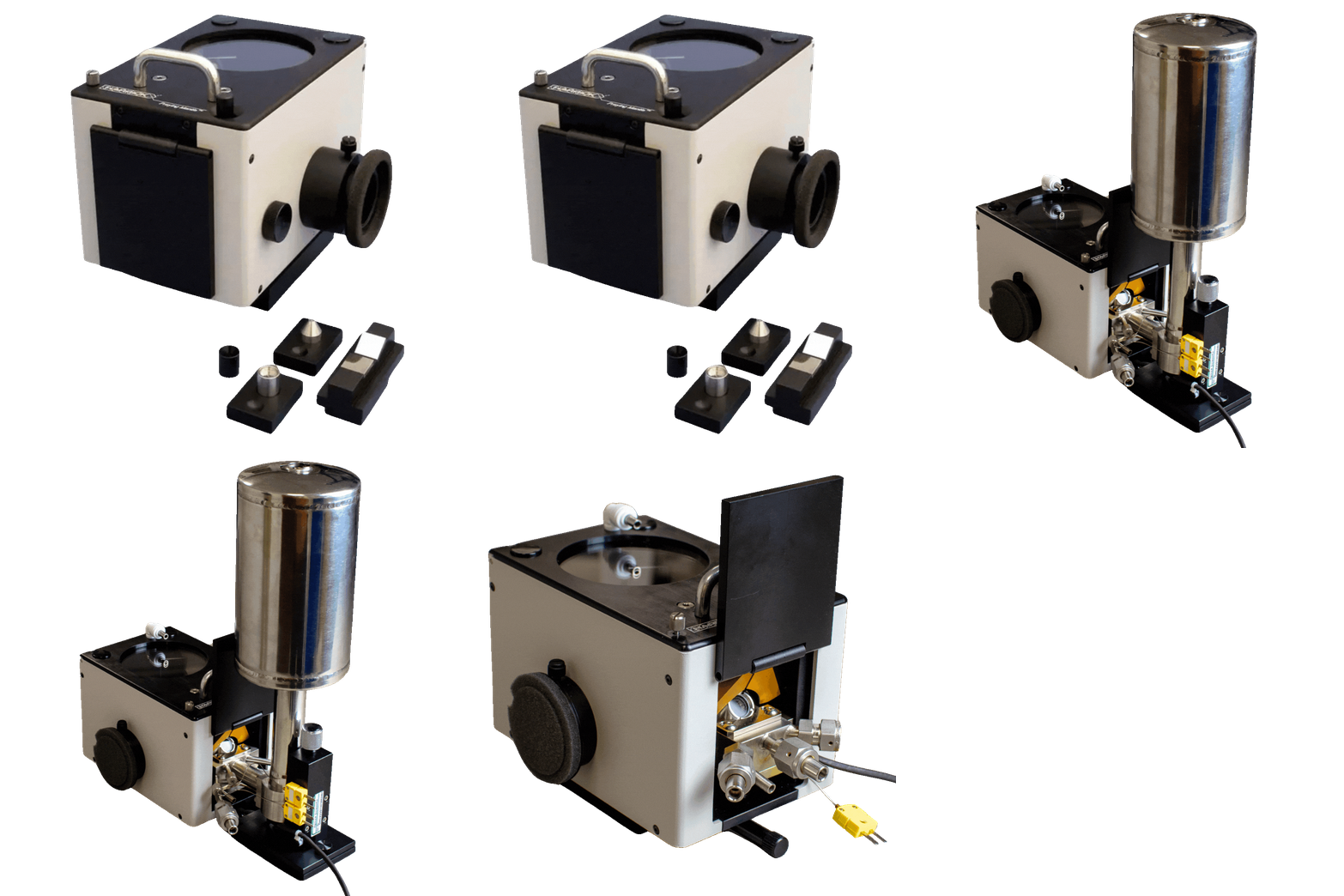
Praying Mantis™ Diffuse Reflection Accessory
The industry-standard accessory for high-efficiency diffuse reflectance (DRIFTS) analysis, uniquely engineered to provide artifact-free spectra of powders and rough solids under ambient or extreme operando conditions.
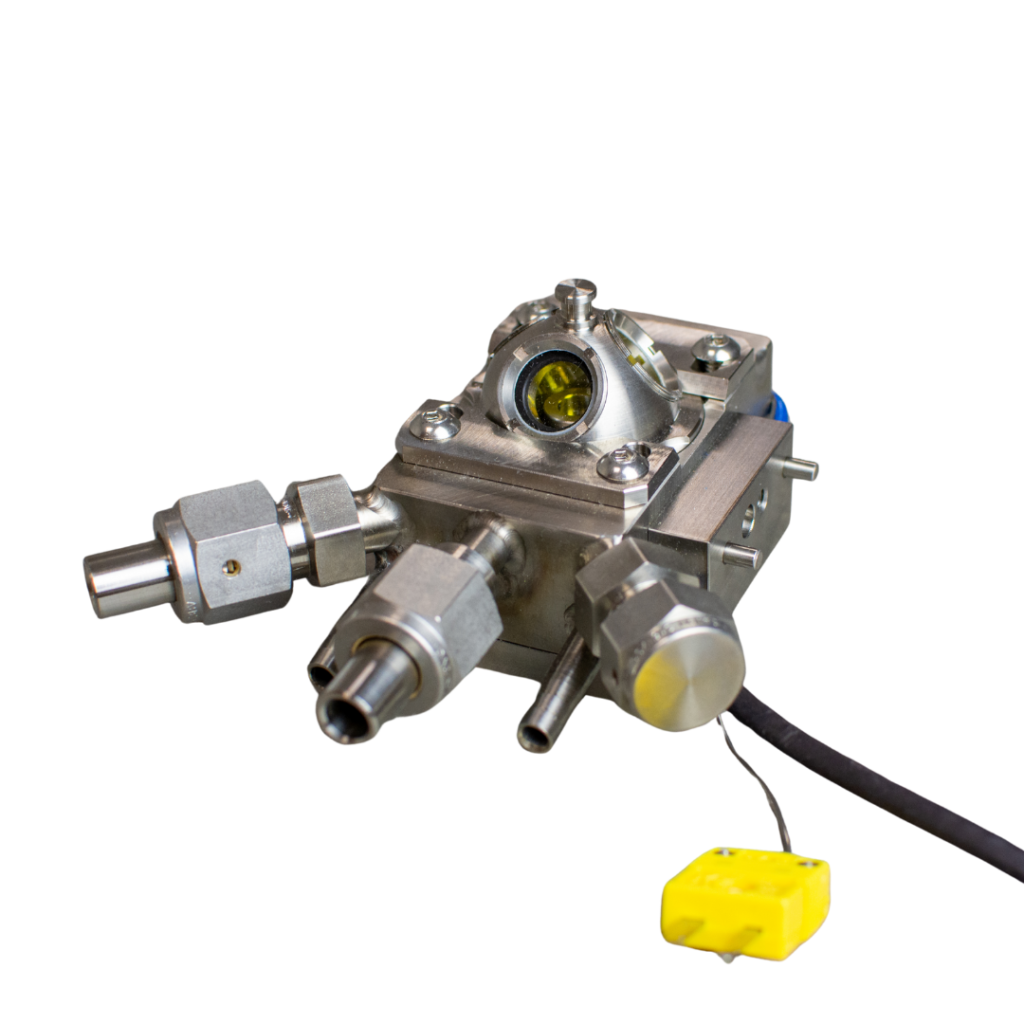
Harrick Praying Mantis™ High Temperature Reaction Chamber
A specialized in-situ environment for the Praying Mantis™ DRIFTS accessory, enabling high-precision molecular characterization of catalysts and powders at temperatures up to 910°C and under extreme pressure conditions.
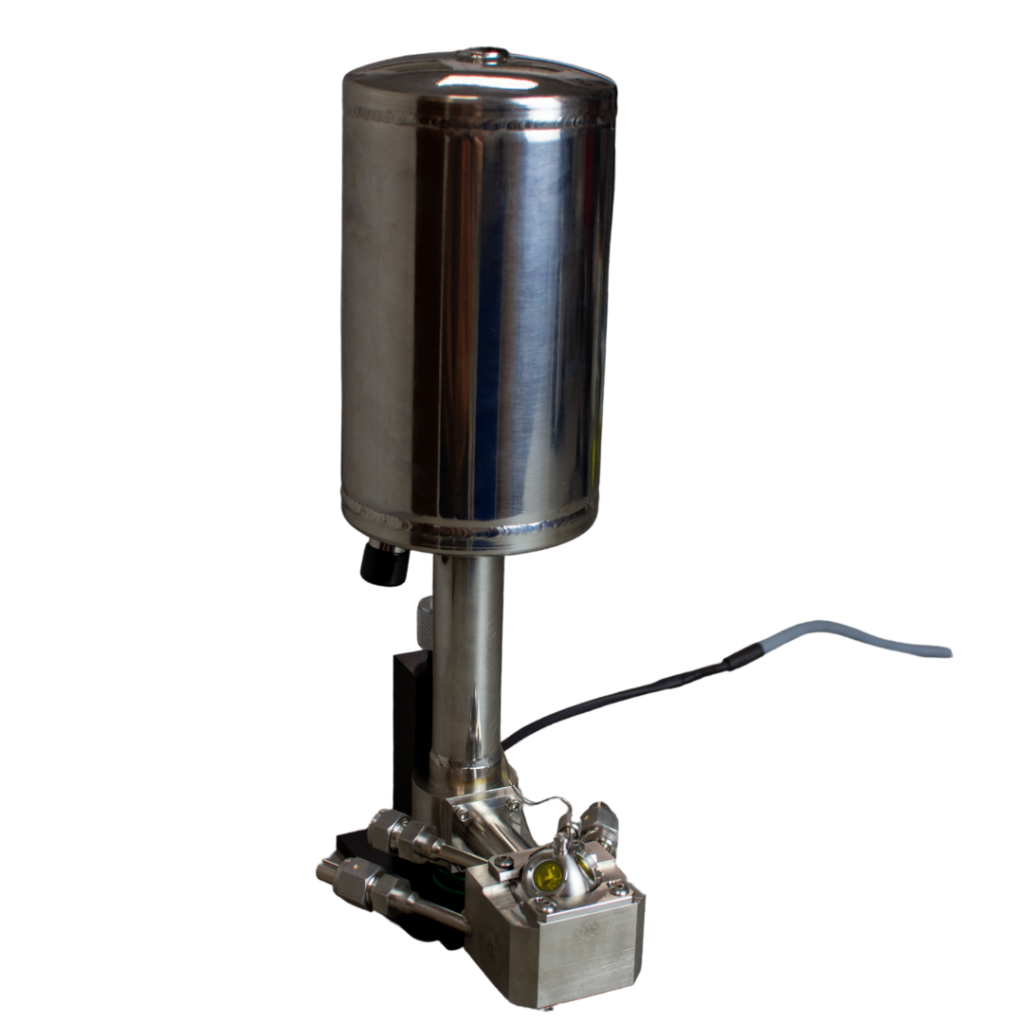
Harrick Praying Mantis™ Low Temperature Reaction Chamber
A high-performance environmental cell designed for in-situ diffuse reflectance (DRIFTS) studies of catalysts and powders at cryogenic temperatures down to -150°C.
Case Studies
CO Oxidation on Platinum Catalysts
Max Planck Institute for Chemical Energy ConversionIn-situ DRIFTS study revealing the mechanism of CO oxidation on Pt/Al₂O₃ catalysts at various temperatures and gas compositions.
Zeolite Catalyst Characterization
ETH ZürichComprehensive study of Brønsted and Lewis acid sites in ZSM-5 zeolites using pyridine adsorption DRIFTS.
Methane Activation Studies
Technical University of MunichOperando DRIFTS investigation of methane partial oxidation over nickel-based catalysts.
Frequently Asked Questions
What is DRIFTS used for in catalysis?
DRIFTS (Diffuse Reflectance Infrared Fourier Transform Spectroscopy) is the primary technique for studying powdered catalysts. It allows for in-situ analysis of surface species and reaction intermediates under controlled temperature and gas atmosphere.
What is Operando Spectroscopy?
Operando spectroscopy involves measuring the catalytic activity (e.g., via Mass Spec) simultaneously with the spectroscopic characterization (FTIR) of the catalyst surface. This correlates the active structure directly with performance.
Why is the Praying Mantis accessory preferred?
The Praying Mantis accessory uses off-axis ellipsoidal mirrors to maximize the collection of diffusely scattered light while rejecting specular reflection (which distorts peaks), making it ideal for accurate surface chemistry analysis of powders.